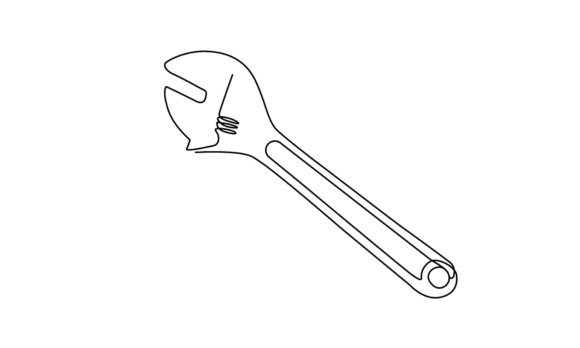
Settings Tool Continuous Line Art: A Visual Revolution
Imagine a single, unbroken line dancing across the screen, transforming a complex gear mechanism into a fluid sculpture or a bustling cityscape into an elegant silhouette. This is the core magic of Settings Tool Continuous Line Art Video. It’s not just another animation style; it’s a specific approach to motion graphics that prioritizes seamless flow and artistic continuity. Instead of using multiple disconnected shapes or abrupt cuts, this technique uses a continuous, flowing stroke to draw and animate subjects, creating a mesmerizing, hypnotic effect that feels both technically precise and deeply artistic.
The visual personality of this style is one of refined simplicity and dynamic elegance. It strips away visual clutter, focusing the viewer's attention on the essential form and movement of an object. The "line" itself can vary—sometimes it’s a clean, technical stroke reminiscent of engineering blueprints; other times, it’s a more organic, hand-drawn feel. The result is a unique blend of modernity and artistry, making it perfect for projects that need to communicate sophistication, innovation, and clarity without overwhelming the audience.
Where This Style Truly Shines
The applications for Settings Tool Continuous Line Art Video are surprisingly broad, crossing into both digital and physical realms. Its clean aesthetic makes it exceptionally versatile for modern branding and content creation.
- Brand Identity & Logo Animation: For startups, tech companies, or boutique studios, this style can bring a logo to life in a memorable way. The continuous line animation can reveal a logo mark, making the brand introduction itself a piece of art. It adds a layer of sophistication to your brand identity that static logos simply can't match.
- Web Design & UI Elements: As a background video on a homepage or as animated icons in a user interface, this art style adds movement and interest without distracting from core content. It enhances the user experience by making digital spaces feel more alive and polished.
- Social Media & Marketing Content: In the endless scroll of a feed, a flowing line art animation is a thumb-stopper. It’s ideal for explainer videos, product feature highlights, or creating a series of visually cohesive social media graphics. The inherent elegance helps content feel premium, even with simple subjects.
- Editorial & Publishing: Bloggers and online publishers can use these animations as featured visuals for articles about design, technology, or innovation. They serve as a sophisticated alternative to standard stock video, enhancing the perceived value of the written content.
- Packaging & Environmental Design: Imagine a product box where the instructions or brand story are told through a subtle, printed line art pattern that, when viewed through a smartphone app, comes alive with animation. This bridges print and digital in a delightful way, a powerful tool in packaging design.
The Strategic Impact on Your Projects
Choosing a visual style like Settings Tool Continuous Line Art Video isn't just an aesthetic decision; it's a strategic one that influences how your audience perceives and engages with your message.
First, it dramatically improves visual hierarchy. The continuous line naturally guides the viewer's eye along a path you define, ensuring they see key elements in the sequence you intend. This is invaluable in web design and editorial design where controlling the reader's flow is crucial. The unbroken motion creates a focal point that is hard to ignore.
Second, it builds brand recognition and consistency. When used across platforms—from your website header to your social media stories to your presentation templates—this distinctive style becomes a recognizable signature. It tells your audience that you value detail and craftsmanship, which directly influences brand perception. It says you're modern, thoughtful, and precise.
Finally, it boosts audience engagement. The hypnotic, satisfying nature of watching a form emerge from a single line is inherently engaging. It holds attention longer than static images and can make complex information (like how a settings tool works) feel more approachable and easier to understand. This is a form of visual storytelling that works on an almost subconscious level.
Making It Work for You: A Practical Guide
Ready to incorporate this style? Here’s how to approach it thoughtfully.
Evaluate the Fit: Does your project call for elegance, clarity, and a touch of modern artistry? If you're a small business owner launching a tech accessory, a content creator in the design space, or a marketer for an innovative service, this could be a perfect fit. It might be less suitable for projects requiring a rustic, handcrafted, or chaotic energy.
Source Quality Assets: Look for design assets from reputable marketplaces. You'll want files that are easy to customize—often provided as Adobe After Effects templates or as editable vector paths. Ensure the source offers clear licensing for commercial use, especially if you're a business. The resolution matters; look for 4K resolution options to ensure your visuals are crisp on all screens.
Pairing with Other Elements: The strength of this style is its simplicity, so pairing it wisely is key. Use it alongside clean, modern typefaces. A versatile sans serif font for body text or a sophisticated serif font for headlines can complement the line art without competing. In logo design, the animation itself might be the centerpiece, so keep the static logo clean and simple.
Test for Readability and Purpose: Before finalizing, test your animation in context. Does it load smoothly on a website? Is the movement too fast or too slow for the message? In packaging design, ensure the printed static version still communicates clearly. The goal is always to enhance the message, not obscure it.
By treating Settings Tool Continuous Line Art Video as a strategic design asset rather than just a decorative flourish, you can leverage its unique blend of art and technology to create more memorable, engaging, and professional work. It’s a powerful way to stand out in a crowded visual landscape, turning ordinary presentations into extraordinary experiences.