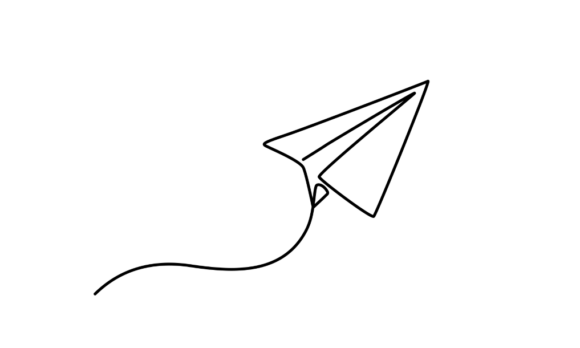
The Animated One: A Continuous Line Drawing of a Paper Plane
In the world of design, motion and minimalism are converging to create experiences that are both captivating and efficient. We've all seen the static icons and the complex animations, but there's a specific space in between that holds immense power: the elegant, single-stroke illustration that moves. This is the realm of the Animated One Line Drawing of Paper Plane. It’s more than just a graphic; it’s a piece of visual storytelling captured in a fluid, continuous motion. Imagine a single, confident line that glides across the screen, effortlessly forming the familiar and evocative shape of a paper plane. This is the core of this innovative design asset—a full-length video clip that combines the charm of minimalist line art with the dynamic appeal of smooth motion graphics.
The visual personality of this asset is one of sophistication and clarity. The continuous line drawing technique gives it a handcrafted, human touch, yet its execution is polished and precise. Presented in crisp 4K resolution, every curve and angle is rendered with flawless quality. Its style is inherently modern, aligning perfectly with contemporary trends in UI/UX design, branding, and social media content where clean aesthetics and purposeful animation are paramount. The appeal lies in its versatility and its ability to communicate complex ideas—like invitation, travel, sending a message, or launching an idea—with a simple, elegant gesture. It doesn’t shout for attention; it commands it through its graceful, uninterrupted flow.
Practical Applications for the Modern Creator
The true value of any design asset is measured by its utility. Where does a continuous line drawing of a paper plane truly excel? Its applications are surprisingly broad, making it a valuable component in any designer's toolkit. For web design, it can serve as an engaging hero animation on a landing page, a delightful loading indicator, or a subtle background element that adds a layer of polish without causing distraction. Its minimal nature ensures it won't slow down page performance, a critical consideration for modern web development.
In the realm of brand identity and logo design, the animated paper plane can become a signature element. Imagine a tech startup using it as a micro-interaction in their app, or a travel blog featuring it in their video intros. It helps build brand recognition and conveys a sense of innovation and forward-thinking. For social media graphics, it’s a game-changer. In a sea of static posts, a short, looping animation of the paper plane drawing itself can stop the scroll, increase engagement, and make a brand feel more dynamic and approachable. It’s perfect for story highlights, animated stickers, or as a transition effect in video content.
- Marketing & Advertising: Use it in email headers to draw the eye to a call-to-action, or in digital ads to symbolize sending a special offer.
- Publishing & Editorial Design: Animate section breaks in a digital magazine or create a compelling opening for an online article.
- Packaging Design: For brands with a digital presence, a QR code could lead to a page featuring this animation, creating a memorable unboxing experience.
- Presentations & Corporate Communication: Elevate a standard slide deck by using the animation to introduce a new topic or signify a "launch" of a new initiative.
Integrating the Animation into Your Visual Strategy
Introducing a new design asset like this requires a thoughtful approach. It’s not about replacing your entire brand identity with a single animation, but rather about using it to enhance and complement your existing visual language. Consider its role within your project's hierarchy. Is it the main event, like an animated logo reveal? Or is it a supporting actor, adding a touch of life to an otherwise static page? Its effectiveness depends on this contextual placement.
While this asset is an animation, its principles are rooted in typography and graphic design. The line itself has weight and movement, much like the strokes of a script font or a handwritten font. When pairing it with text, choose a typeface that respects its elegance. A clean sans serif font often works beautifully, providing a stable, readable foundation that allows the animation to be the focal point. For a more classic feel, a sophisticated serif font can create an interesting contrast between the traditional and the modern. Avoid overly ornate or decorative fonts that might compete for attention and create visual clutter.
A Designer's Guide to Selection and Use
When you decide to incorporate this asset, think of it as you would a premium font. You are investing in a piece of professional-grade work that can elevate your projects. Here are a few practical considerations:
- Evaluate the Fit: Does the animation's style—its speed, line weight, and personality—match the tone of your project? A fast, energetic animation suits a tech startup, while a slower, more deliberate motion might be better for a luxury brand.
- Test for Readability: If the animation is used alongside text, ensure it doesn't overwhelm the words. The goal is to enhance the message, not obscure it. Use it as an accent, perhaps in a corner of the screen or as a transitional element between content blocks.
- Check the Technical Specs: Confirm the file format (e.g., MP4, MOV, GIF) is compatible with your platform. A 4K file is fantastic for high-resolution displays, but you may need a compressed version for web use to ensure fast loading times.
- Understand the License: As with any commercial font or asset, review the licensing agreement. Ensure it covers your intended use, whether for personal projects, client work, or commercial products.
The Animated One Line Drawing of a Paper Plane is more than a fleeting visual trend. It represents a shift towards more thoughtful, engaging, and minimalist digital communication. By understanding its strengths and applying it with intention, designers, marketers, and creators can use this simple yet powerful animation to tell a richer story, capture attention, and add a layer of professional sophistication to any project. It’s a small detail that makes a significant impact, proving that sometimes, the most powerful ideas are the ones that move with grace and simplicity.