Bringing Nature to Life: The Animated Chamomile Flowers Line Art Style
In the crowded world of digital assets, standing out requires a blend of sophistication and playfulness. While we often talk about typography—debating between a serif font for tradition or a sans serif font for modernity—there is a distinct category of design assets that transcends text: the animated line art illustration. Specifically, Animated Chamomile Flowers Line Art has emerged as a favorite among content creators, marketers, and brand strategists. It is not just a static image; it is a piece of motion graphics that captures the delicate, organic beauty of nature with a clean, minimalist aesthetic.
The Visual Character of Chamomile Motion Graphics
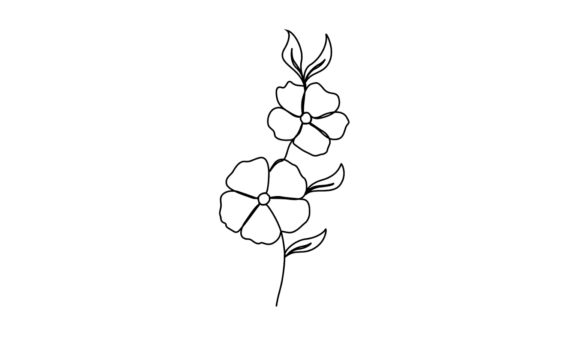
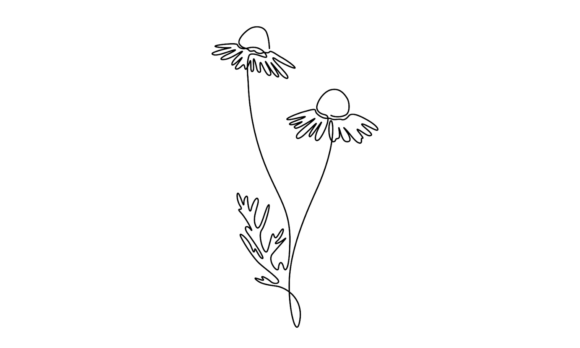
At its core, Animated Chamomile Flowers Line Art is defined by its simplicity and fluidity. Visually, it relies on continuous or broken lines to outline the recognizable shape of the chamomile flower—those sunny yellow centers surrounded by feathery white petals. Unlike a realistic photograph or a heavy vector illustration, line art strips the subject down to its essential form. The "animated" aspect typically involves a "drawing" motion, where the lines appear to trace themselves onto the screen in real-time. This creates a sense of magic and discovery, as if an invisible artist is sketching the design right before the viewer's eyes.
The personality of this style is inherently gentle, pure, and calming. Chamomile is universally associated with relaxation, tea, and wellness, and the line art format reinforces this by avoiding visual clutter. The 4k resolution standard ensures that even the finest details—the tapering of a stem or the curve of a petal—remain crisp on high-definition displays. This makes it a premium creative font alternative; instead of using a script font or handwritten font to convey a personal touch, designers use these animated lines to inject warmth and human feel into digital interfaces.
Strategic Applications for Modern Brands
Where does Animated Chamomile Flowers Line Art fit into a professional workflow? The applications are surprisingly broad, spanning both digital and print environments. For entrepreneurs and small business owners in the wellness, beauty, or lifestyle sectors, this asset is a goldmine. It works exceptionally well as a background element for a website hero section, providing movement without distracting from the main headline. It can also be used as a loading animation, keeping users engaged while the rest of the web design elements load.
In social media graphics, motion is king. A static image often scrolls past unnoticed, but the gentle drawing motion of chamomile line art can stop a user’s thumb. Bloggers and publishers can use these animations as transitions between paragraphs or as decorative borders for pull quotes, adding a layer of professional polish to their editorial design. Furthermore, in packaging design, while the animation cannot physically move on a cardboard box, the static frames of the animation create a beautiful, modern typeface companion for product labels, evoking a sense of handcrafted quality.
Influence on Brand Perception and Engagement
Visual consistency is the backbone of a strong brand identity. Incorporating Animated Chamomile Flowers Line Art into a brand kit signals a commitment to quality and attention to detail. It influences brand perception by associating the business with organic growth, purity, and elegance. Unlike the bold, aggressive strokes of some modern display graphics, chamomile line art suggests a brand that listens, cares, and values subtlety.
From a technical standpoint, this style aids in visual hierarchy. In a complex layout, such as a busy landing page or a dense magazine spread, animated line art draws the eye. It acts as a focal point or a "rest area" for the viewer. For example, placing this animation near a Call to Action (CTA) button can subtly guide the user's gaze toward the conversion point. The movement creates a micro-interaction that increases audience engagement, making the digital experience feel more responsive and alive.
Practical Integration and Technical Considerations
When selecting this asset for a project, practical evaluation is key. First, consider the "weight" of the line art. Is it a thin, hairline stroke that might get lost on a textured background, or is it a bold outline? For logo design inspiration, you might want to extract a single frame of the animation to create a static icon that matches the animated aesthetic.
Here are a few practical tips for implementation:
- Background Compatibility: Ensure the line art color contrasts well with your background. While black on white is classic, changing the stroke color to a muted sage green or a soft terracotta can completely change the brand's vibe.
- Looping: Check if the animation loops seamlessly. If used as a website background, a jarring restart can break the illusion of elegance.
- Format and Resolution: Verify that the file is indeed 4k resolution or scalable (like SVG or Lottie formats) so it doesn't pixelate on retina screens.
Ultimately, Animated Chamomile Flowers Line Art is more than just a decorative element; it is a strategic design asset. It bridges the gap between static modern typography and dynamic video content. Whether you are a crafter looking to enhance your online store, a marketer building a campaign for a health product, or a designer seeking to add a touch of organic whimsy to a layout, this style offers a versatile, professional, and visually pleasing solution. By integrating these delicate motion graphics, you elevate the user experience, turning a simple viewing moment into a memorable visual interaction.