Chad Flag Waving Fabric Texture: A Designer's Guide
More Than Just a Graphic: Understanding the Visual Impact
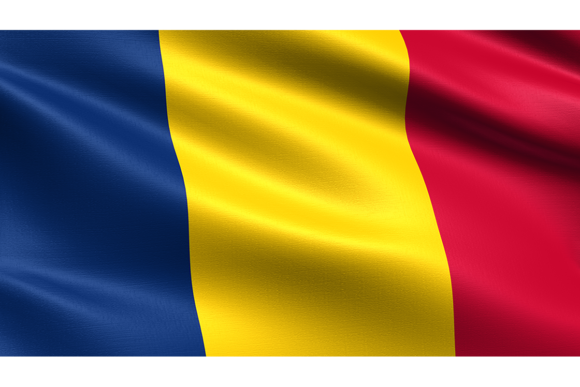
When you first encounter the Chad Flag, Waving Fabric Texture, you're not just seeing a digital file. You're looking at a piece of immersive visual storytelling. This isn't a flat, sterile graphic. It's a highly detailed, realistic flag with a beautiful, flowing fabric texture, captured as it blows in the wind. The image, provided in a crisp 3840×2160px JPG resolution, offers a tangible sense of movement and authenticity. The way the light plays on the folds of the fabric, the subtle shadows in the creases, and the dynamic motion of the waving flag create an immediate emotional connection. This asset is designed to feel alive, making it a powerful tool for anyone looking to inject realism and energy into their projects.
Where This Asset Truly Shines: Practical Applications
The true value of the Chad Flag, Waving Fabric Texture lies in its versatility. It’s a foundational design asset that can elevate a wide range of creative work. For graphic designers and brand strategists, it can serve as a powerful backdrop for presentations, helping to set a specific mood or thematic tone. Imagine using it in a slide deck about international business, cultural diversity, or national heritage. The realistic texture adds a layer of professionalism and depth that a simple color block or generic pattern cannot match.
For marketers and social media managers, this image is a goldmine. It can be the hero image for a campaign tied to a national holiday, a sporting event, or a cultural celebration. The dynamic, waving motion naturally draws the eye, making it perfect for stopping the scroll on platforms like Instagram, Facebook, or LinkedIn. When used in motion graphics, the static image can be animated with subtle parallax effects or integrated into video edits for B-roll footage, adding instant production value.
Publishers, bloggers, and content creators will find it invaluable for editorial design. A travel blog post about Chad, a historical article, or a news piece can use this flag as a compelling header image. Its high resolution ensures it looks sharp on everything from a website banner to a printed magazine cover. For small business owners, particularly those in e-commerce or crafting, it can be used in packaging design for products with a cultural theme or as a unique background for product photography that requires a specific national context.
Integrating the Asset: A Guide to Effective Use
Simply dropping a high-quality image into a project isn’t enough. To maximize the impact of the Chad Flag, Waving Fabric Texture, consider its interaction with other design elements. Because it is a detailed and visually busy background, it demands thoughtful typography. Pairing it with a clean, modern sans serif font for headlines can create a striking contrast, ensuring readability. A bold, geometric display font can stand out against the flowing fabric, while a more elegant serif font might be used for shorter, impactful quotes.
Color harmony is also key. Pull a dominant color from the flag itself—perhaps a specific shade of blue, yellow, or red—and use it as an accent color in your text, icons, or borders. This creates a cohesive and intentional design. Always test the legibility of your text overlays. You may need to add a subtle semi-transparent layer or a soft gradient behind your text to ensure it remains readable against the complex texture of the waving flag.
When using this asset for commercial purposes, it’s wise to review the licensing terms carefully. Ensure the license covers your intended use, whether for digital advertising, print merchandise, or client work. This due diligence is part of maintaining a professional and ethical practice. Ultimately, the Chad Flag, Waving Fabric Texture is more than a clipart element; it’s a premium design component. Used thoughtfully, it can significantly enhance brand perception, create visual hierarchy, and engage your audience on a deeper level, making it a worthwhile addition to any creative’s toolkit.