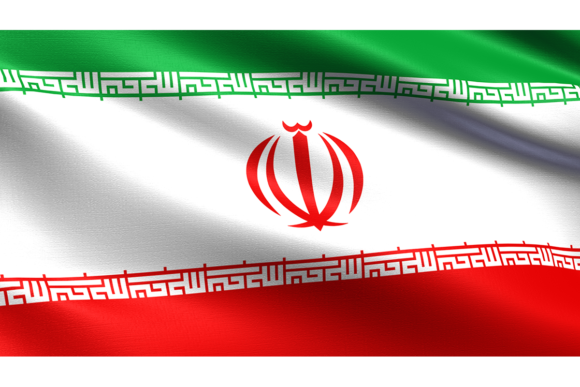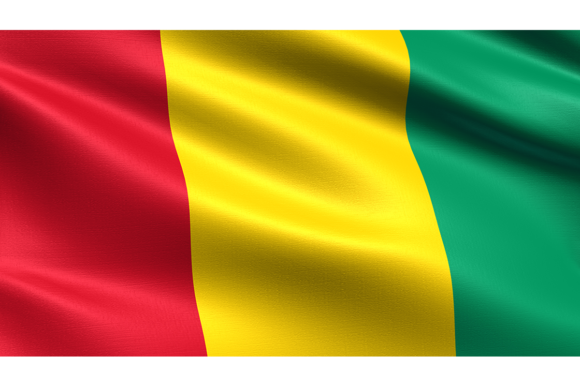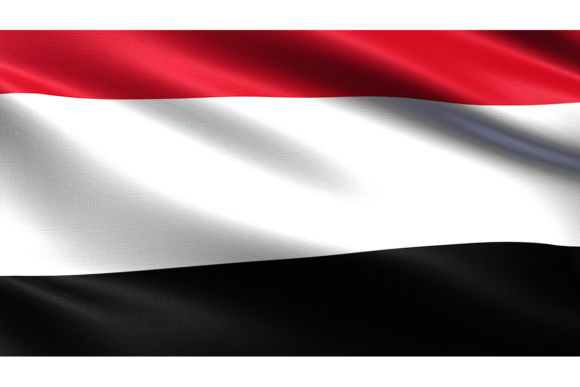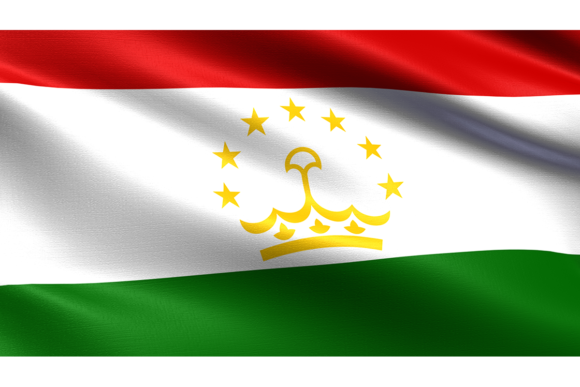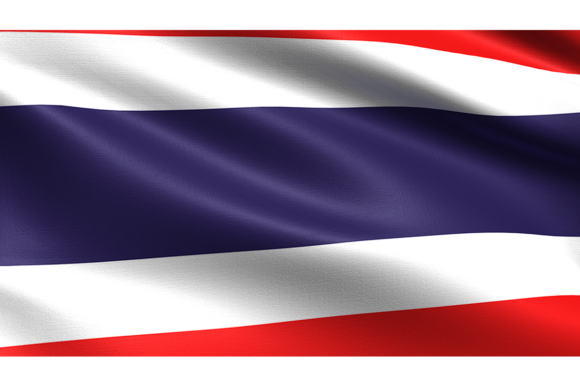
Thailand Flag, Waving Fabric Texture: A Realistic Design Asset
The Thailand flag, with its striking bands of red, white, and blue, is a powerful symbol of national unity. But when you see it as a Thailand Flag, Waving Fabric Texture, it transforms from a simple emblem into a dynamic, tactile element. This isn't just a flat graphic; it's a high-resolution image capturing the flag as it billows in the wind, complete with realistic folds, shadows, and the subtle weave of the fabric itself. The visual personality is one of motion and authenticity. It feels alive, patriotic, and deeply textured, offering a sense of depth and realism that a static image simply cannot match.
The overall appeal lies in its versatility and immediate impact. The Thailand Flag, Waving Fabric Texture serves as a stunning design asset that can anchor a composition with a sense of place and emotion. The realistic fabric texture adds a layer of sophistication, making it suitable for both professional and personal projects. Whether you're a designer creating a travel brochure, a marketer developing a campaign for a Thai product, or a content creator making a video about Southeast Asian culture, this asset provides a visually compelling foundation that communicates instantly.
Where This Realistic Flag Asset Shines
The applications for this high-resolution image are extensive, crossing into numerous creative and professional fields. Its primary strength is as a background element, where it can set the tone without overwhelming the foreground content. Think of the opening slide of a presentation about international business, the hero image on a website for a Thai restaurant, or the backdrop for a social media graphic celebrating a national holiday. The waving motion adds energy, making even a simple text overlay feel more dynamic and engaging.
Beyond backgrounds, it's invaluable for print and digital media. For print documents, the high resolution ensures crisp output for flyers, posters, or educational materials. In digital spaces, it's perfect for website banners, video thumbnails, motion graphics, and animated social media posts. The texture detail means it holds up beautifully when cropped or zoomed, a practical consideration for any web design or editorial design project. For entrepreneurs and small business owners, using this asset can elevate brand identity and packaging design for products with a Thai connection, conveying authenticity and attention to detail.
Making the Most of the Texture: Practical Guidance
Integrating this asset effectively requires a designer's eye for balance and context. Its bold colors and strong visual presence mean it works best when it has room to breathe. Avoid cluttering the space around it; let the flag's texture and movement be the focal point. For logo design or social media graphics, consider using it as a subtle overlay with reduced opacity to add texture without competing with your main message. The key is to treat it as a premium font or a high-quality typeface—it's a design tool that should enhance, not dominate.
When it comes to font pairing, the asset's strong character calls for complementary typography. A clean, modern sans serif font can provide a crisp counterpoint, while a more traditional serif font might suit formal or editorial contexts. Avoid overly decorative script fonts or handwritten fonts that could clash with the flag's structured stripes and organic texture. Always test your combinations at the final resolution to ensure readability and visual harmony. Since this is a commercial font asset (in image form), verify the licensing to ensure it covers your intended use, whether for a personal project or a commercial campaign. By thoughtfully selecting where and how to use the Thailand Flag, Waving Fabric Texture, you can leverage its realistic detail to create professional, impactful, and memorable designs.