Visualizing Sound: The Music Single Linear Animation
In the world of digital content, static images often struggle to hold attention. We are constantly looking for that "thumb-stopping" element that communicates a complex idea—like a mood, a rhythm, or a brand story—in mere seconds. That is where The Music Single Linear Animation comes into play. This isn't just a graphic; it is a carefully crafted piece of motion design that bridges the gap between auditory sensation and visual reality. For designers, marketers, and content creators, understanding how to leverage this specific aesthetic is becoming less of a luxury and more of a necessity for modern branding.
The Anatomy of the Continuous Line Art Motion Icon
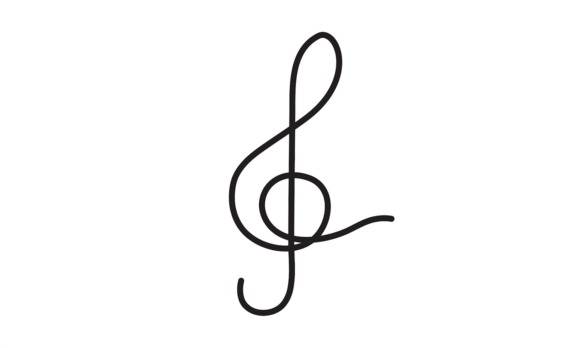
At its core, The Music Single Linear Animation is an exercise in minimalism and flow. The concept is built around the "single line" technique, where the entire illustration is drawn without lifting the "pen." This creates an elegant, unbroken connection between elements. When applied to music, this visual style mimics the continuous nature of a melody—smooth, fluid, and uninterrupted. The "Continuous Single-Line Art Motion Graphics Animation Icon" takes this a step further by introducing movement. The line draws itself, revealing instruments, sound waves, or abstract shapes that pulse and sway.
Visually, the personality of this animation is sophisticated and contemporary. It avoids the clutter of complex 3D renders or heavy textures. Instead, it relies on the weight of the line and the negative space around it. The style is inherently "chic," offering a sleek, premium feel that suggests innovation. Whether it is rendered in stark black and white or vibrant neon colors against a dark background, the effect is captivating. It transforms a simple icon into an experience, rendering the "steady pulse and ecstatic highs" of music into a visual rhythm that the viewer can almost feel.
Strategic Applications: Where This Animation Shines
For professionals in the creative industry, the utility of The Music Single Linear Animation spans across a surprisingly wide range of projects. It is not limited to music production logos; its versatility makes it a powerful design asset for various sectors.
Digital Branding and Social Media
In the realm of social media graphics, movement is king. A static logo is good, but an animated brand mark is better. Entrepreneurs and small business owners can use this animation style for Instagram Stories, TikTok intros, or YouTube channel branding. The continuous line art works exceptionally well on mobile screens because it is clean and legible even at smaller sizes. It adds a layer of professionalism to a brand identity that signals, "We pay attention to the details."
Editorial and Web Design
For bloggers and publishers, incorporating this type of motion graphics into web design can significantly reduce bounce rates. Imagine a header image on a lifestyle blog that gently animates, drawing the user's eye to a specific section of the page. In editorial design, where the goal is to keep the reader engaged with the content, these subtle animations serve as visual punctuation marks. They break up the text without being distracting, maintaining the aesthetic experience of the site.
Commercial and Packaging Design
While packaging is physical, the marketing of products is increasingly digital. A brand selling headphones, vinyl records, or even lifestyle apparel can use The Music Single Linear Animation in their digital ads. The continuous line art style translates well to modern typography and minimalist packaging concepts. It suggests a brand that is forward-thinking and artistic, appealing to a demographic that values design and culture.
Psychology and Perception: How Motion Influences the Audience
Design is rarely just about aesthetics; it is about psychology. The use of a continuous line subconsciously communicates unity, harmony, and flow. When you pair this with motion, you tap into the human brain's natural attraction to movement. This is crucial for brand perception.
When a potential customer sees The Music Single Linear Animation, they aren't just seeing a logo; they are perceiving a brand that is alive and dynamic. This influences visual hierarchy—guiding the viewer's eye exactly where you want it to go. It enhances readability in the broader sense of "understanding the brand message." A brand that uses such creative font and animation styles is often perceived as more innovative and trustworthy than one using outdated, static clipart. It creates a sense of consistency and professionalism that resonates with an audience aged 20 to 50, who are accustomed to high-quality digital experiences.
Practical Guidance for Implementation
If you are considering integrating The Music Single Linear Animation into your toolkit, there are a few practical considerations to keep in mind to ensure the best return on investment.
Evaluating Fit and Resolution
First, assess your project's platform. This animation is noted for its 4K resolution, which is a massive advantage. High resolution ensures that the animation remains crisp on large monitors, retina displays, and modern smartphones. However, ensure that your website hosting or social platform can handle the file size without slowing down load times. Optimization is key; a beautiful animation that makes a page lag is bad for user experience.
Font Pairing and Visual Harmony
Because this is a motion graphic, it often sits alongside text. Choosing the right typeface to pair with it is essential. Since the animation style is sleek and modern, you should look for complementary design assets. A clean sans serif font usually works best for body text, offering high readability against the fluid lines of the animation. For headlines, you might choose a bold display font or a modern typography style that echoes the geometric nature of the continuous line. Avoid overly ornate script fonts or heavy serif fonts unless you are deliberately aiming for a high-contrast, avant-garde look.
Licensing and Usage
Finally, treat this asset like any other premium font or software. Check the commercial licensing. If you are a freelancer using it for a client's logo design, ensure the license covers commercial use and distribution. If you are a crafter or hobbyist using it for personal projects, the restrictions are usually looser, but it is always best practice to read the terms. Respecting the creator's work ensures that the ecosystem of high-quality design assets continues to thrive.
Conclusion: Elevating the Visual Narrative
In a digital landscape crowded with noise, clarity and elegance win. The Music Single Linear Animation offers a way to communicate the energy and emotion of music through a sophisticated visual language. It is a tool that serves designers, marketers, and entrepreneurs alike, providing a bridge between the abstract feeling of sound and the concrete reality of a brand identity. By understanding its characteristics and applying it thoughtfully, you can transform a standard project into an immersive, rhythmic experience that captivates your audience.