The Rhythmic Allure of Animated Sewing Machine Line Art
There’s a distinct satisfaction in watching a skilled craftsperson at work—the fluid motion of hands, the rhythmic hum of a tool, the gradual emergence of something beautiful from raw materials. That feeling of creative momentum is precisely what Animated Sewing Machine Line Art Drawing captures. It’s more than just a static graphic; it’s a moment of creation brought to life through motion graphics, offering a dynamic and engaging visual language for a wide range of projects.
More Than a Static Image: The Visual Personality
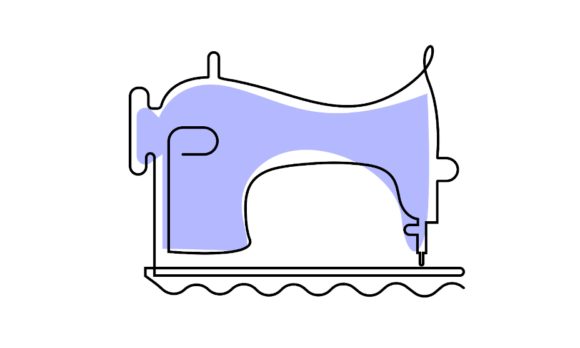
At its core, this style is a sophisticated form of line art drawing, but its character is defined by its animation. Imagine the elegant, simplified silhouette of a vintage sewing machine. The lines are clean, intentional, and hand-drawn, giving it an organic, human touch that digital perfection often lacks. The true magic happens in the motion. The needle doesn't just sit there; it dips in a satisfying, rhythmic stitch. The thread might trace a path, weaving through the design, or the handwheel might turn with a subtle, mechanical grace. This isn't flashy, over-the-top animation. It’s a purposeful, fluid motion that feels both nostalgic and fresh, making it a powerful creative font for the eyes.
This animated line art style excels in versatility. Its simplicity ensures it works at any scale, from a tiny favicon to a full-screen background video. The monochromatic nature of classic line art means it integrates seamlessly with any color palette, allowing brand colors to take center stage. The personality is one of craftsmanship, attention to detail, and timeless style—qualities that resonate deeply with audiences who value authenticity and quality.
Strategic Applications: Where This Motion Graphic Shines
Understanding where to deploy such a specific visual asset is key to its effectiveness. Its strength lies in contexts where storytelling, craft, and a touch of elegance are paramount.
For Brand Identity and Marketing
A brand built around handmade goods, bespoke tailoring, sustainable fashion, or even creative software would find a perfect ally in Animated Sewing Machine Line Art Drawing. Used in a logo animation, it immediately communicates the brand's core values without a single word. In social media graphics, it stops the scroll with its mesmerizing motion, increasing engagement. For packaging design, a subtle animation on a digital storefront or a QR code-linked video can elevate the unboxing experience, telling the story of the product's creation.
In Digital and Editorial Design
For bloggers, publishers, and content creators in the lifestyle, DIY, or fashion space, this asset is gold. It can serve as a captivating header graphic for an article on slow fashion, an animated divider between sections, or a background element in a video tutorial that reinforces the topic. In web design, it can guide the user's eye, add personality to a loading screen, or make a "About Us" page feel more personal and crafted. The motion provides a natural visual hierarchy, drawing attention exactly where you want it.
For Personal and Commercial Projects
Entrepreneurs and small business owners can use it to create professional-looking promotional materials without a massive budget. A short, animated version of the sewing machine could be the cornerstone of a video ad for an Etsy shop. Crafters and hobbyists might use it in personal projects, like animated invitations for a sewing circle or a dynamic header for a portfolio showcasing their work. The key is that it adds a layer of polish and professionalism that static images often can't achieve alone.
Practical Guidance for Implementation
Integrating any new design asset requires thoughtful consideration. Here’s how to approach using this animated line art effectively.
- Evaluate the Project Fit: Does your project's narrative align with themes of craftsmanship, tradition, and meticulous creation? If you're marketing a fast-fashion app or a rugged outdoor brand, this might not be the right fit. It’s perfect for a bespoke tailor, a quilting supply store, or a design agency that prides itself on handcrafted solutions.
- Consider the Context and Length: Motion graphics should enhance, not distract. A short, seamless loop (3-5 seconds) is ideal for social media or website backgrounds. A slightly longer, more narrative animation might work for an intro to a YouTube video or a presentation. Always consider the platform's norms and your audience's attention span.
- Test for Readability and Load Time: While line art is generally lightweight, ensure the animated file is optimized for web use. A slow-loading animation can hurt user experience more than a static image helps it. Test it across devices. The beauty of simple line work is its clarity at any resolution, but the animation should be smooth and not jerky on mobile connections.
- Font Pairing and Brand Consistency: This visual asset will live alongside your typography. Pair it with a clean, modern sans serif font for a contemporary feel, or with an elegant serif font to lean into its classic roots. A script font could be used sparingly for accents, but ensure overall legibility. The goal is a cohesive brand identity where the animated graphic and the typeface speak the same language.
- Source and Licensing: As with any design asset, source it from a reputable provider. Understand the licensing—is it for personal use, a single commercial project, or an unlimited enterprise license? A premium font or asset often comes with clear licensing terms and superior quality, which is crucial for professional work to avoid legal headaches down the line.
The true value of Animated Sewing Machine Line Art Drawing lies in its ability to tell a micro-story. It’s a visual metaphor for process, care, and the transformation of thread into fabric, idea into reality. By choosing it thoughtfully and implementing it with purpose, you’re not just decorating a page or a screen; you’re inviting your audience into a narrative of craftsmanship that they can feel, even in a few seconds of looping motion. It’s a small detail that can make a significant impact on how your brand or project is perceived.