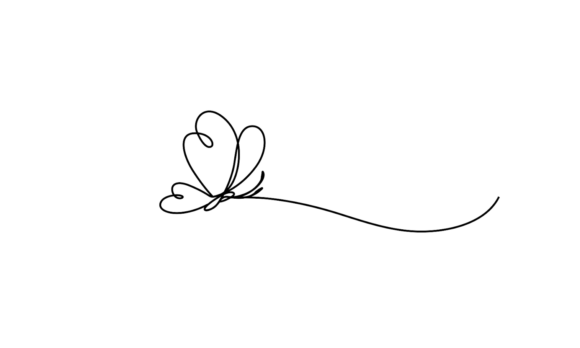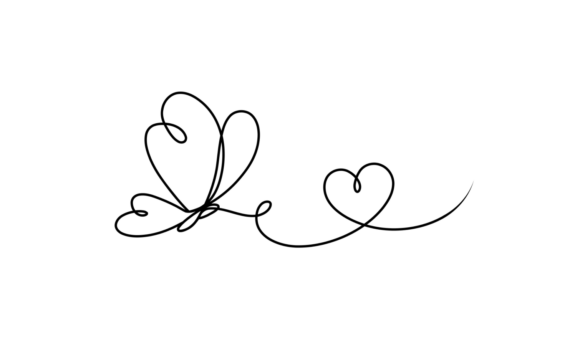
The Flying Butterfly Line Art Animation: A Seamless Design Asset
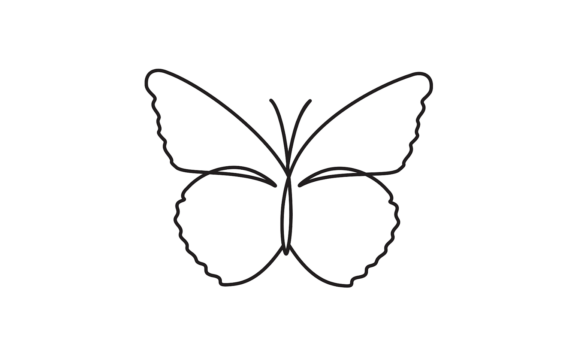
There is a specific kind of visual magic that happens when an artist reduces a complex form to its most essential elements. It’s not about adding more; it’s about the eloquence of reduction. This is the core principle behind The Flying Butterfly Line Art Animation. At first glance, it’s a simple concept: an animated butterfly. But the execution is where its true power lies. This isn't just a looping video; it's a continuous, unbroken line that traces the entire form and motion of a butterfly in flight, captured in a graceful, flowing dance. The result is a piece of motion graphics that feels both minimalist and profoundly organic.
For anyone working in creative fields—from designers and marketers to entrepreneurs and content creators—understanding the value of such an asset is crucial. We're constantly searching for elements that can elevate our work, that can convey a message or an emotion without shouting. This animation is one of those rare assets. Its personality is one of elegance, fluidity, and thoughtful simplicity. It doesn't demand attention with loud colors or jarring movements. Instead, it draws the viewer in with its hypnotic, continuous motion, creating a feeling of calm sophistication and artistic integrity. The style is inherently modern, yet it carries a timeless quality, making it a versatile tool for a wide range of applications.
Where Artistry Meets Application: Practical Uses for the Animation
So, where does a piece like The Flying Butterfly Line Art Animation fit into a real-world workflow? Its strength lies in its subtlety and adaptability. Think of it not as a finished product, but as a dynamic design asset. Its clean, 4K resolution ensures it looks crisp on any screen, from a desktop monitor to a mobile device, which is non-negotiable for today's digital-first world.
- Digital Branding and Web Design: Imagine this animation as a subtle, looping background on a website's hero section or as an elegant loading icon. For brands in the wellness, beauty, or luxury spaces, it immediately communicates a sense of grace and natural elegance. It can serve as a sophisticated accent in a brand's visual identity system, adding a touch of life to an otherwise static page without compromising load times or distracting from the core message.
- Marketing and Social Media Content: In the endless scroll of social media, motion captures attention. This animation can be used as a mesmerizing video thumbnail, an intro/outro for short-form videos on platforms like TikTok or Instagram Reels, or as a background element in a story. Its continuous nature makes it perfect for creating seamless, eye-catching content that encourages viewers to pause and appreciate the artistry. It’s a powerful tool for marketers looking to build a brand that feels more artistic and less corporate.
- Publishing and Editorial Design: For digital publishers, bloggers, and even print designers, this animation offers a unique way to enhance storytelling. It could be embedded in an online article to visually represent themes of transformation, freedom, or nature. In a presentation, it can serve as a beautiful, non-distracting transition between slides, maintaining a cohesive and professional aesthetic. It’s an editorial design element that adds a layer of visual poetry.
Integrating Motion Graphics into Your Brand Identity
Adopting an element like The Flying Butterfly Line Art Animation is more than just finding a pretty graphic; it's a strategic decision that can influence brand perception and audience engagement. Consistency is the bedrock of a strong brand identity. By using this animation across various touchpoints—your website, your social media headers, your video content—you create a consistent visual thread that makes your brand more recognizable and memorable. It becomes a signature flourish, a piece of your brand's unique language.
This kind of thoughtful detail has a direct impact on how your audience perceives you. It signals professionalism and a commitment to quality. It shows that you care about the finer points of your presentation, which builds trust. In a crowded market, these subtle differentiators are what help a brand stand out. The animation’s fluid motion can also enhance visual hierarchy, gently guiding the viewer’s eye without being an aggressive call-to-action. It’s about creating an experience, not just delivering information.
A Practical Guide to Implementation
If you're considering incorporating this animation, a practical approach is key. First, evaluate its fit for your specific project. Does its elegant, minimalist style align with your brand's voice? A high-tech startup might prefer a more geometric motion graphic, while a boutique hotel or a creative agency would find a perfect match here.
Next, consider how it will pair with your existing design assets. Think about its interaction with your chosen typeface. A clean sans serif font can create a beautiful contrast, allowing the animation's organic lines to stand out. Conversely, pairing it with a delicate serif font or an elegant script font can create a harmonious, luxurious feel. This is where the concept of font pairing extends beyond static text and into the realm of kinetic design.
Finally, always review the technical specifications. Ensure the file format is compatible with your software, whether you're using it in a video editor, a web design platform, or a presentation tool. Confirm that the licensing covers your intended use, whether for personal projects or commercial applications. A premium font or creative font often comes with a license, and the same principle applies to high-quality motion graphics. By treating it as a serious design asset, you can unlock its full potential to bring a touch of ethereal beauty and sophisticated motion to your work, making your projects not just seen, but felt.