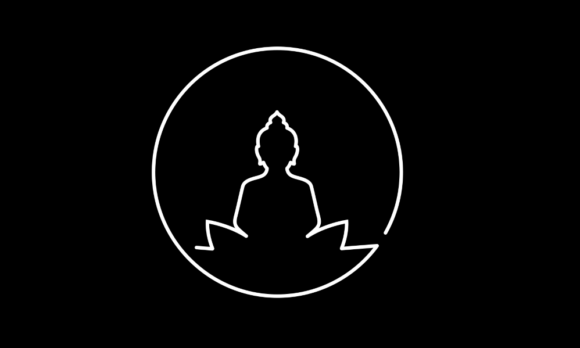
Serene Motion Graphics: Animated Line Drawing Buddha on a Lotus
In a world saturated with high-resolution textures, 3D renders, and complex gradients, there is a profound power in simplicity. The Animated Line Drawing Buddha on a Lotus represents a masterclass in minimalism, offering designers and content creators a unique visual asset that speaks volumes through what it leaves out as much as what it includes. This isn't just a video clip; it is a study in motion, form, and spiritual tranquility. For creative professionals ranging from brand strategists to digital marketers, understanding how to leverage such specific, high-quality design assets can be the difference between a forgettable campaign and one that truly resonates.
The Art of the Single Stroke: Visual Characteristics
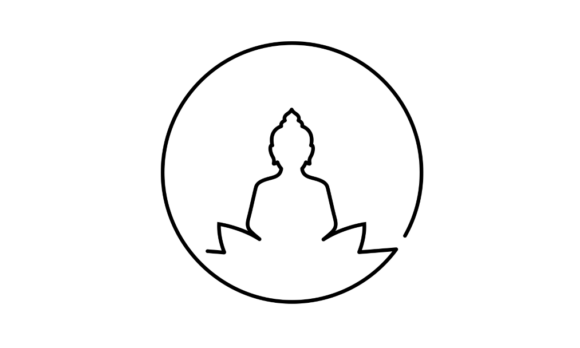
At its core, this asset is defined by its constraint: a single, continuous line. Unlike traditional vector illustrations that rely on closed shapes and fills, this linear animation relies entirely on the path of the stroke. The visual personality of the Animated Line Drawing Buddha on a Lotus is one of elegance and restraint. It captures the essence of the Buddha figure—serenity, meditation, and enlightenment—without the distraction of color or shading.
The style is distinctly modern and editorial. By utilizing a black background, the white or light-colored line creates a high-contrast, cinematic feel. This is not merely a loop; it is a full-length video clip that mimics the hand of an artist drawing in real-time. For designers, this "drawing" effect is invaluable. It commands attention because it is dynamic; the viewer’s eye is naturally drawn to the movement of the pen tip as it creates the lotus flower and the seated figure.
From a technical standpoint, the 4k resolution ensures that this asset holds up across large format displays and high-density screens. The lines remain crisp, functioning much like a high-quality vector file, even though it is delivered as video. This fidelity is crucial for web design and social media graphics, where pixelation can instantly cheapen a brand's perception.
Strategic Applications for Modern Creators
How does a specific motion graphic like this fit into the toolkit of a marketer, entrepreneur, or content creator? The versatility of the Animated Line Drawing Buddha on a Lotus lies in its thematic neutrality and aesthetic flexibility. It serves as a powerful visual metaphor for various industries beyond just wellness or religion.
Brand Identity and Logo Animation
For businesses in the wellness, yoga, mindfulness, or luxury spa sectors, this animation can serve as the cornerstone of a brand identity video. Imagine this line art playing as a background on a "Welcome" screen or as an intro to a podcast. It elevates a standard logo design by association, providing a sophisticated, artistic backdrop that suggests the brand values peace and precision.
Editorial and Publishing
In editorial design, particularly for digital magazines or blog headers, static images can often feel stale. Using this animation as a hero background creates an immediate focal point. It works exceptionally well for articles discussing mindfulness, mental health, creative block, or artistic inspiration. The minimal linear animation supports the text without overwhelming it, provided the typography is handled correctly.
Digital Marketing and Social Media
On platforms like Instagram, TikTok, or LinkedIn, stopping the scroll is the primary objective. A continuous line drawing is hypnotic. It encourages the viewer to watch until the image is complete. This increases dwell time on the post, a key metric for algorithm performance. Content creators can overlay text regarding daily affirmations, business advice, or creative tips on top of the black background, utilizing the negative space effectively.
Technical Integration and Typography Pairing
When integrating the Animated Line Drawing Buddha on a Lotus into a project, the choice of typography is critical. Because the animation is monochromatic and fluid, the accompanying text needs to complement, not compete.
Sans Serif Fonts: For a clean, modern look, pair the animation with a geometric sans serif font. The clean lines of typefaces like Montserrat or Helvetica mirror the precision of the line art, reinforcing a sense of clarity and modernity. This works best for web design and tech-forward branding.
Serif Fonts: If the goal is to evoke tradition, wisdom, or luxury, a classic serif font is the better choice. The contrast between the organic flow of the drawing and the structured rigidity of a serif typeface creates a compelling visual hierarchy. This is ideal for packaging design for high-end teas or spa products.
Script and Handwritten Fonts: Use these sparingly. A script font can mimic the hand-drawn nature of the animation, creating a cohesive, creative font pairing. However, ensure the script remains legible. The animation acts as the "art," so the typography must serve as the clear "voice."
Practical Guidance for Implementation
To get the most out of this asset, you need to approach it with the same rigor you would a premium font purchase. Here is a practical checklist for evaluating fit and execution:
- Evaluate the Loop: Since it is a full-length video clip, determine if you need to loop it or play it once. For website backgrounds, a seamless loop is often preferable, but for an intro sequence, the full narrative arc of the drawing is more impactful.
- Color Grading: While the default is white on black, video editing software allows for easy color shifting. You can change the line color to match a client's specific brand palette, effectively turning this into a custom design asset.
- Audio Synchronization: The movement of the line has a rhythm. Pairing this visual with ambient music or a voiceover can amplify the emotional impact. The pacing of the drawing naturally guides the viewer's breathing and attention span.
- Commercial Licensing: Always verify the licensing. If you are using this for a client's commercial font or video campaign, ensure the asset license covers commercial distribution. This is a standard E-E-A-T (Experience, Expertise, Authoritativeness, Trustworthiness) practice for professional creators.
The Psychology of Line Art in Motion
Why does the Animated Line Drawing Buddha on a Lotus work so well psychologically? It taps into the "Zeigarnik effect"—our brains are wired to remember uncompleted tasks. As the line draws the Buddha, the viewer is subconsciously compelled to watch until the figure is complete. This engagement is a powerful tool for marketers and entrepreneurs.
Furthermore, the minimalist nature of the art reduces cognitive load. In a cluttered digital environment, a black background with a single, moving white line is a visual palate cleanser. It signals to the audience that the content they are about to consume is thoughtful, curated, and high-quality. It influences brand perception by associating the product or message with sophistication and mindfulness.
For small business owners and hobbyists, this asset offers a way to produce high-end content without the cost of custom animation. It serves as a versatile design asset that can be used repeatedly across different campaigns, from holiday greetings to weekly meditation prompts.
Conclusion: Embracing Minimalist Motion
The Animated Line Drawing Buddha on a Lotus is more than just a stock video; it is a versatile tool for visual storytelling. Whether you are designing a packaging insert, building a social media presence, or crafting a brand identity, the elegance of a continuous line animation offers a timeless appeal. It proves that in the realm of digital design, sometimes the most effective way to capture attention is not by adding more, but by refining the essence of the subject down to its purest form. By integrating this asset thoughtfully, you invite your audience into a space of focus and serenity, elevating your work above the noise of the digital landscape.