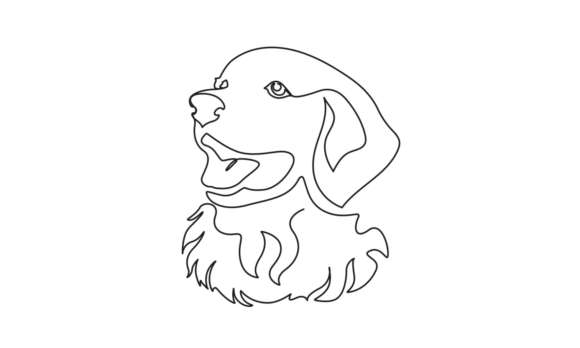
Animated One Line Drawing of Angry Dog: Dynamic Minimalism
In the crowded landscape of digital content, static images often struggle to hold attention. We are seeing a significant shift toward kinetic design elements—assets that breathe, move, and tell a story without requiring a single word of text. The Animated One Line Drawing of Angry Dog represents a sophisticated intersection of illustration and motion graphics. It is not merely a picture of a pet; it is a performance captured in a continuous stroke. This specific style—minimal pet animals line art animation—offers a fresh take on visual storytelling, utilizing a single, unbroken path to create a complex emotional expression.
The concept revolves around the "one continuous line" technique, a method rooted in modern art that challenges the creator to capture the essence of a subject without lifting the pen. When applied to an "angry dog," the result is a fascinating study in abstraction. The sharp angles, the jagged ear lines, and the tensed posture are all conveyed through the thickness and direction of a single vector line. This linear motion graphics approach transforms a simple sketch into a full-length video clip that feels organic and fluid. For designers and content creators, this asset provides a unique visual language that balances between high art and approachable pet imagery.
The Aesthetic Appeal of Linear Motion Graphics
There is a distinct personality embedded in the Animated One Line Drawing of Angry Dog. It avoids the "cute" clichés of stock pet photography. Instead, it embraces a raw, artistic energy. The "angry" aspect is not necessarily frightening; in this minimalist context, it translates to intensity, focus, and character. The continuous line creates a sense of rhythm, almost like a heartbeat tracing the animal's form. This style sits comfortably within the realm of modern typography and graphic design, where negative space and flow are just as important as the subject itself.
From a visual hierarchy perspective, this animation works exceptionally well as a focal point. Because it is monochromatic and linear, it does not compete with complex color palettes. It functions much like a display font—bold and distinct, yet adaptable. The animation adds a layer of depth that static design assets lack. It captures the viewer's eye through movement, guiding the gaze along the dog's contours. This makes it an ideal candidate for hero sections on websites, background loops for video content, or dynamic headers for digital magazines.
Strategic Applications for Branding and Digital Presence
For entrepreneurs and small business owners, integrating this style requires a strategic mindset. The Animated One Line Drawing of Angry Dog is particularly effective for brands that want to project a brand identity of creativity, rebellion, or artistic flair. Consider a boutique pet grooming service, an independent bookshop, or a creative agency specializing in avant-garde design. Using this animation in social media graphics or web design immediately signals that the brand values aesthetics and innovation over generic stock imagery.
In editorial design, this asset serves as a powerful visual metaphor. It can accompany articles about frustration, creative block, the intensity of the artistic process, or the complexities of pet behavior. The abstraction allows for broad application; it doesn't look like a literal angry dog, but rather an idea of one. This versatility is crucial for packaging design or merchandise where logo design elements need to be iconic. Imagine this line art embossed on a matte black box for a luxury pet accessory brand—the texture and motion (even if implied in print) suggest premium quality.
Integrating Motion with Static Typography
One of the most practical challenges for designers is pairing dynamic assets with static text. The Animated One Line Drawing of Angry Dog pairs best with clean, geometric typefaces. Because the drawing is organic and somewhat chaotic in its abstraction, grounding it with a structured sans serif font creates a balanced composition. Alternatively, pairing it with a rough, textured script font can amplify the raw, artistic vibe for projects like album covers or event posters.
When evaluating this asset for a project, think about the font pairing logic. If you were using a heavy, bold serif font for your headers, this line art animation would provide a necessary "lightness" and movement to prevent the design from feeling too blocky. Conversely, if your layout relies on a delicate handwritten font, the intensity of the angry dog motif can provide a necessary anchor and focal point. The goal is to use the animation to influence the visual hierarchy, drawing the eye to specific areas of your layout.
Technical Considerations and Commercial Use
When sourcing premium font and motion assets, licensing is a critical factor. As a commercial font or asset, the Animated One Line Drawing of Angry Dog is typically licensed for specific types of use. It is vital to review the terms if you plan to use the animation in broadcast media, large-scale print runs, or as part of a software interface. Most standard licenses cover digital usage for web and social, but commercial merchandise often requires an extended license.
From a technical standpoint, this style of animation is usually provided in formats optimized for the web, such as WebM, MP4, or Lottie JSON. These formats ensure that the linear motion graphics play smoothly without slowing down page load times—a crucial factor for web design and SEO. When implementing the clip, ensure it loops seamlessly if used as a background element. The "full-length" nature of the clip suggests it has a narrative arc, making it suitable as a standalone video element in a content feed or as a loading screen animation.
Practical Recommendations for Implementation
- Social Media Headers: Use the animation as a banner for a LinkedIn or Twitter profile to demonstrate creative expertise. It acts as a subtle logo design element without the need for text.
- Video Intros: For content creators and bloggers, place this animation at the start of a YouTube video or podcast. It establishes a mood of thoughtful intensity immediately.
- Editorial Breaks: In long-form publishing layouts (digital or PDF), use a static frame of the animation as a section divider. It maintains the "one line" aesthetic while managing reading flow.
- Brand Consistency: If using the "angry dog" as a mascot, extract still frames to create a cohesive icon set. This ensures brand consistency across different mediums where animation isn't possible.
The Animated One Line Drawing of Angry Dog is more than just a cute graphic; it is a versatile creative font for the eyes. It speaks a language of minimalism and movement that resonates with modern audiences. By treating this asset with the same respect as a high-end typeface—considering its weight, style, and compatibility—you can elevate a standard project into a memorable visual experience. Whether you are designing for a pet-centric brand or simply looking for a way to inject personality into your digital presence, this continuous line art offers a solution that is both timeless and contemporary.
Final Thoughts on Visual Storytelling
In conclusion, the appeal of the Animated One Line Drawing of Angry Dog lies in its ability to convey complex emotion through simple means. It strips away the noise of modern life, leaving only a single, determined line. For the marketer, it is a tool to capture attention in a split second. For the designer, it is a study in economy of line. For the entrepreneur, it is a symbol of a brand that isn't afraid to show a little teeth. As we continue to navigate a visual-first world, assets that combine the artistic expression of traditional drawing with the dynamism of motion graphics will remain invaluable in our creative toolkit.